559 просмотры
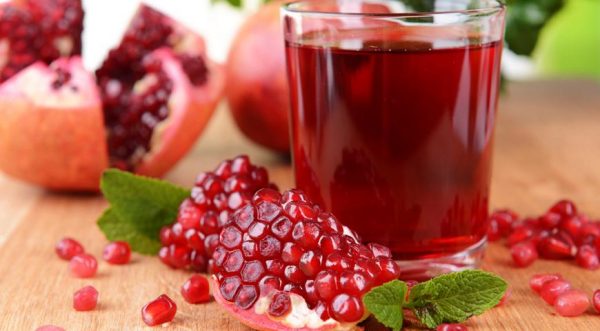
Гранат – одно из самых древних лекарственных растений. Сок семян возбуждает аппетит, регулирует деятельность желудка и является хорошим антицинготным средством, а также обладает мочегонным, желчегонным, сильным обезболивающим, хорошим противовоспалительным и антисептическим действием. Цветки граната имеют вяжущие и хорошие противовоспалительные свойства. Кожистый околоплодник плодов обладает вяжущим и закрепляющим действием. Кора корней и ветвей граната оказывает сильное парализующее действие на ленточных глистов.Символ плодородия из—за множества семян, в греческой и римской мифологии гранат еще и символ супруги Плутона, Прозерпины, которая каждую весну возвращается из подземного мира, чтобы обновить землю. (В греческой мифологии это Персефона – супруга Аида.) На Востоке цветки и плоды граната символизируют собой дружбу, поэтому, идя в гости, часто в качестве подарка берут с собой гранат. В Библии гранат упоминается как символ единства Вселенной. В христианском искусстве гранат стал символом надежды на воскрешение и бессмертие. В магических целях зерна растения едят, а кожу плода носят для усиления фертильной функции организма. На Кавказе женщины считают, что если есть гранат во время беременности, то родится красивая дочка. Гранат – растение удачи. Перед тем как съесть плод, загадайте желание, и оно может исполниться. Ветка граната может принести неожиданное богатство, притягивать деньги. Для изгнания зла гранатовые ветки вешают над дверью. У христиан гранат – символ бессмертия, возрождения. Семена граната, находящиеся в твердой оболочке, символизируют единство церкви и преданность монархии. ГРАНАТ на Востоке с древнейших времен считают королем всех плодов. Вероятно, благодаря именно оригинальной форме чашелистиков, образующей «корону». Есть мнение, что именно гранат подсказал форму головного убора королей – корону.




 AM
AM EN
EN RU
RU